01 · Frontend Development ·
How to Structure a React Project for a Real World Application
A practical folder layout for a React and Next.js app: where pages, components, data, and shared helpers belong, with a real project as the example.
Frontend development, UI and CSS, and technical SEO for people who write the code. The order below is a reading path: structure first, then layout, then the HTML search engines read. RSS feed
01 · Frontend Development ·
A practical folder layout for a React and Next.js app: where pages, components, data, and shared helpers belong, with a real project as the example.
02 · UI/UX and CSS ·
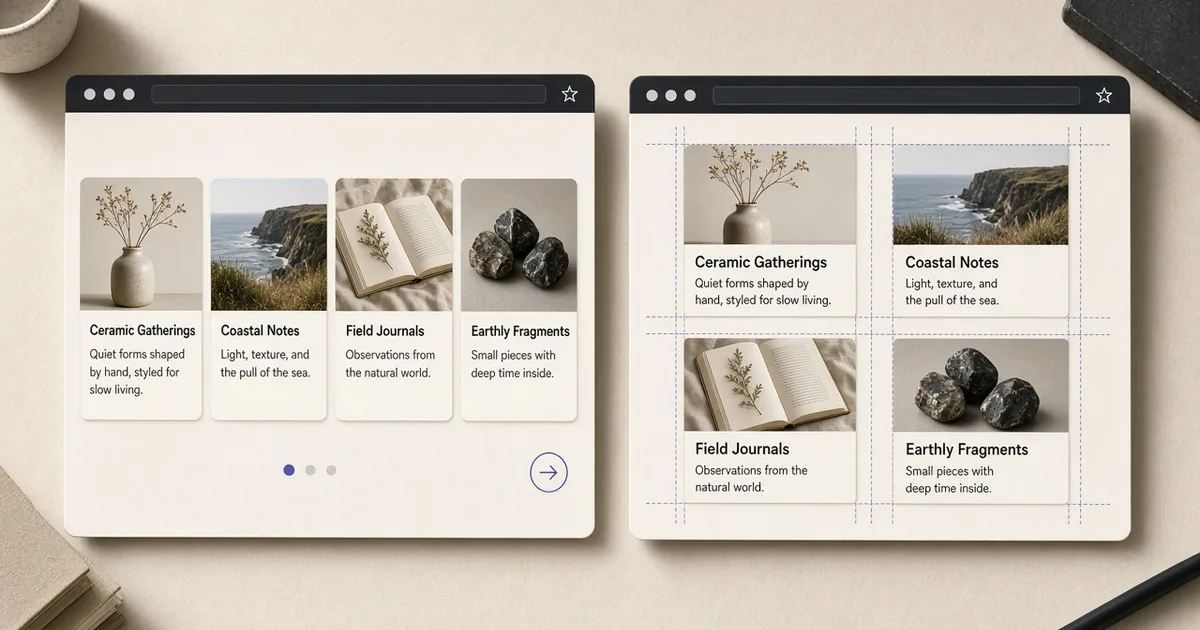
Flexbox lays out one row or column. Grid lays out rows and columns together. Here is how to choose, using a soundboard and a wrapping chip row.
03 · Technical SEO ·
How to set an Open Graph title, description, URL, and a 1200 by 630 image in the Next.js App Router, then check the tags a crawler will actually see.
04 · UI/UX and CSS ·
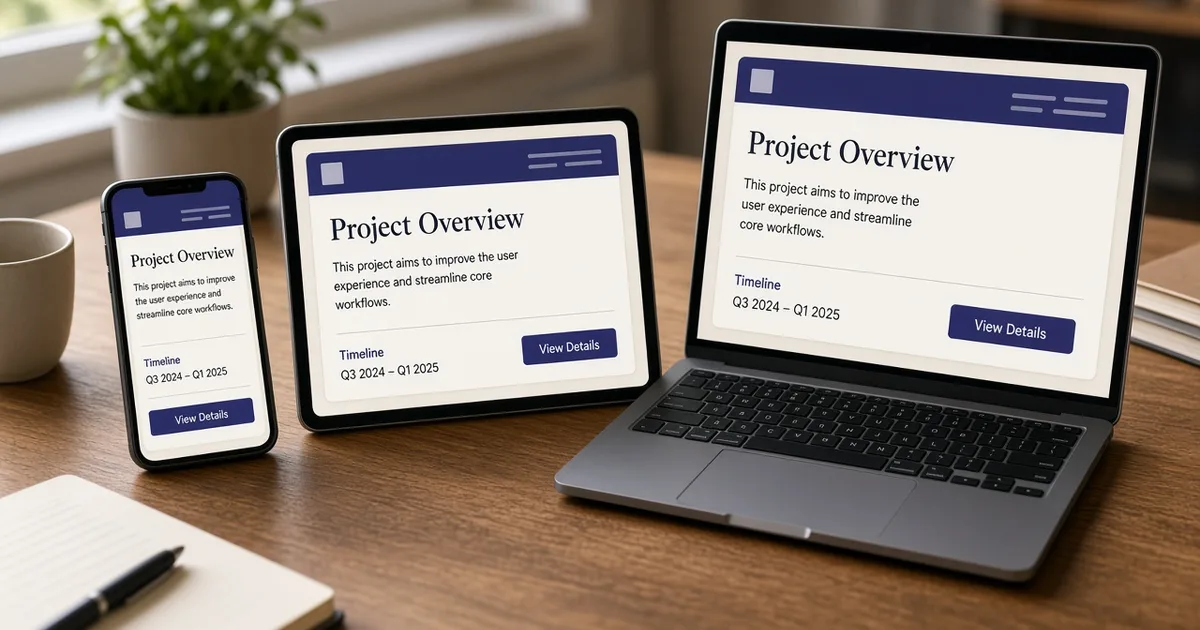
A workflow for turning a Figma frame into responsive React components: measure spacing and type, name the components, then check the layout at a narrow width.
05 · Frontend Development ·
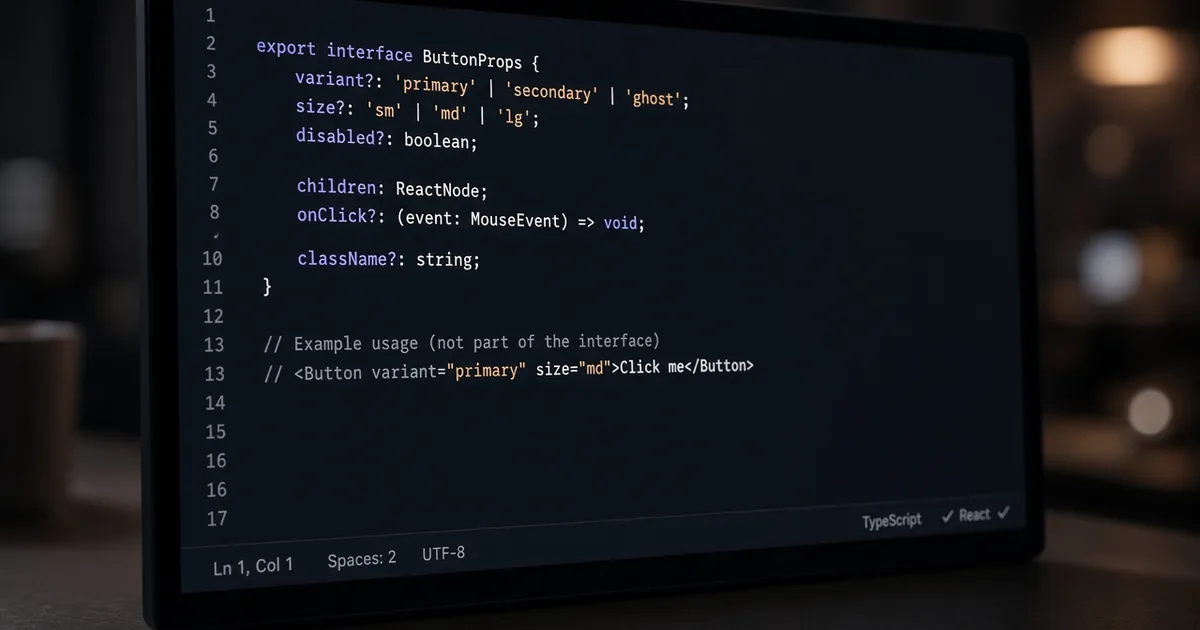
Type the props a component actually accepts, keep variants small, and move a component into a shared folder only when a second screen needs it.
06 · Technical SEO ·
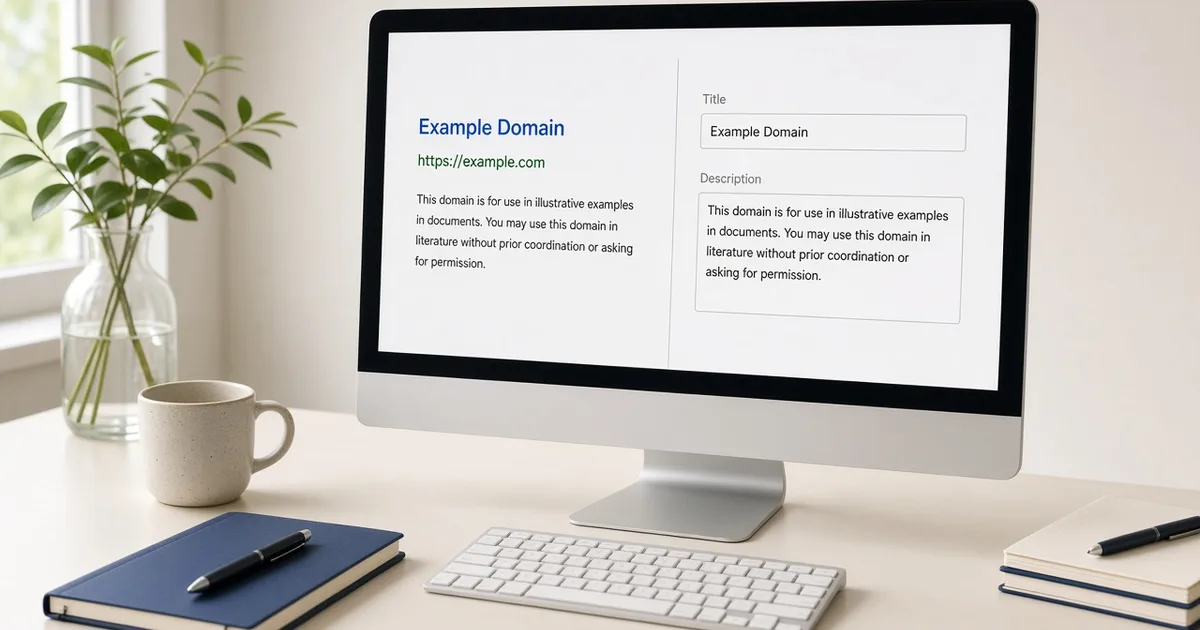
A missing meta description is a page that never set one, or a template that left it blank. Set it in the App Router and confirm it in the HTML.
07 · UI/UX and CSS ·
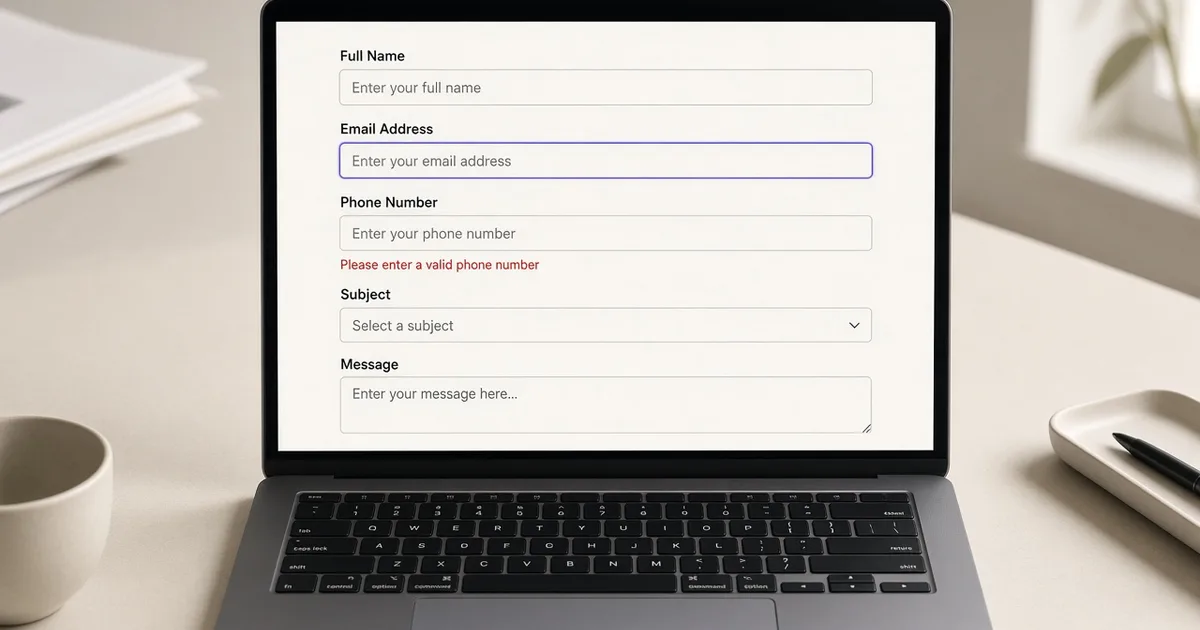
Labels, keyboard focus, and error text wired with aria-invalid and aria-describedby. A pattern from a real contact form, without relying on placeholder text.
08 · Frontend Development ·
Server Components ship no client JavaScript. Client files opt in with use client. Here is how to choose, and what pulls a whole page onto the client.
09 · UI/UX and CSS ·
Choose breakpoints where the layout breaks, not where a device chart says to. Mobile-first CSS, a fluid card grid, and the few widths worth naming.
10 · Frontend Development ·
Seven React performance mistakes that show up in real apps, and how to confirm each one in the profiler before adding memo or rewriting a component.
11 · Technical SEO ·
Crawl the site, list internal URLs that 404, fix the href or add a redirect, and check the canonical so repaired links point at the URL you want indexed.
12 · Technical SEO ·
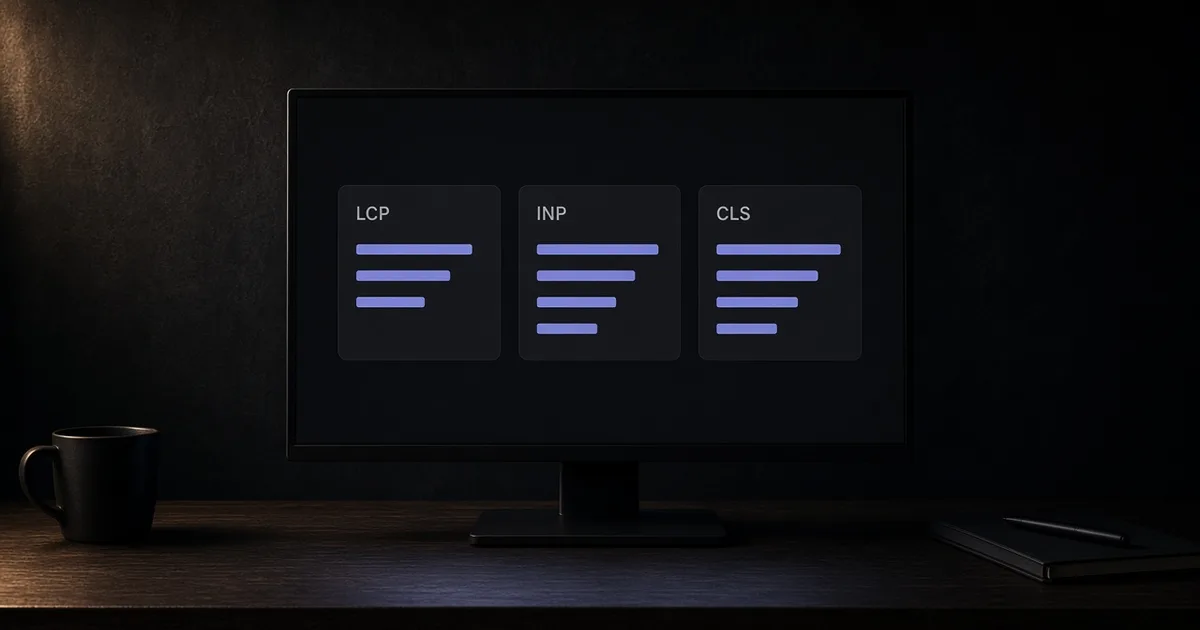
What LCP, INP, and CLS measure, how to read them in the field and in Chrome, and the code-level fixes that move each one. No invented scores.